Composite bonding has become a popular cosmetic dental treatment in the UK for people who want to improve the shape, colour, size or appearance of their teeth without undergoing extensive tooth preparation. It can be used to repair small chips, close minor gaps, reshape uneven teeth and improve the appearance of worn or slightly discoloured teeth.
One of the biggest questions patients ask is: How much does composite bonding cost in the UK?
In 2026, private composite bonding commonly costs around £150–£500 per tooth, although the exact price depends on the dentist, location, number of teeth treated and complexity of the treatment. Published UK price data shows considerable variation between practices, so a personalised quotation is important.
What Is Composite Bonding?
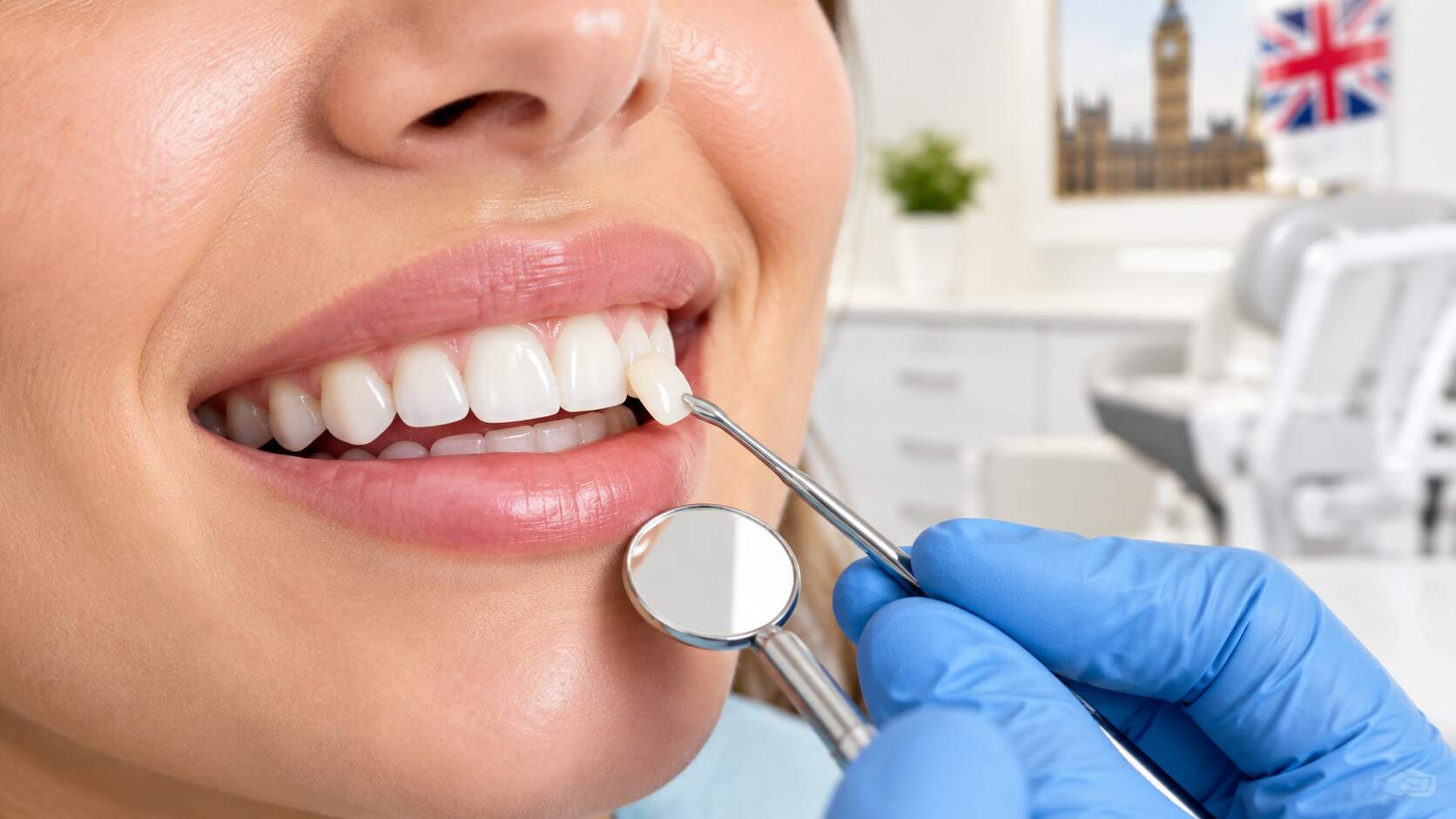
Composite bonding, also called dental bonding or tooth bonding, is a cosmetic dental procedure that uses a tooth-coloured composite resin.
The dentist applies the resin directly to the tooth and carefully shapes it to improve its appearance. The material is then hardened, shaped further and polished to create a natural-looking finish.
Unlike a traditional dental crown, composite bonding generally requires little or no removal of healthy tooth structure. This makes it a relatively conservative option for suitable patients.
Composite bonding can be used to:
- Repair small chips
- Improve uneven tooth edges
- Close small gaps between teeth
- Change the shape of teeth
- Lengthen worn teeth
- Improve minor imperfections
- Mask some forms of discolouration
- Create a more symmetrical smile
How Much Does Composite Bonding Cost in the UK?
There is no single UK-wide fixed price for cosmetic composite bonding because most cosmetic treatment is provided privately.
A general 2026 guide is:
| Treatment | Typical UK Private Cost |
|---|---|
| Small chip repair | £100–£250 per tooth |
| Edge bonding | £150–£350 per tooth |
| Standard cosmetic bonding | £200–£500 per tooth |
| More extensive composite veneers | £250–£600+ per tooth |
| 4 teeth | Around £600–£2,000+ |
| 6 teeth | Around £900–£3,000+ |
| 8–10 teeth | Around £1,200–£5,000+ |
These are broad guide prices rather than guaranteed fees. Current published UK pricing varies considerably, with some datasets showing a median of about £293 per tooth, while individual practices publish prices outside this range.
The most accurate way to find out your composite bonding cost is to have a dental consultation and receive a written treatment plan.
What Affects Composite Bonding Cost?
Several factors can influence the final price.
1. Number of Teeth
The more teeth you want treated, the higher the overall cost is likely to be. Bonding is commonly priced per tooth, although some practices offer packages for multiple teeth.
For example, bonding six front teeth will naturally cost more than repairing one chipped tooth.
2. Complexity of the Treatment
A small chip may require only a limited amount of composite resin and relatively little treatment time.
A complete smile makeover is more complex because the dentist needs to consider tooth proportions, symmetry, bite, shade, texture and how the teeth look together.
3. Dentist’s Experience
Composite bonding is highly technique-sensitive. Creating natural-looking teeth requires more than simply placing resin on the tooth.
An experienced cosmetic dentist may spend considerable time selecting shades, layering composite, sculpting the shape and creating natural surface texture. This can contribute to a higher treatment fee.
4. Location of the Dental Practice
Dental costs can vary between regions.
Practices in London and parts of the South East may charge more because of higher operating costs and demand. Prices can be lower in some areas of the Midlands, North of England, Scotland, Wales and Northern Ireland, although individual practices vary significantly.
5. Treatment Planning
Some dentists provide additional planning such as photographs, digital scans, smile design or a mock-up before treatment.
These services may be included in the overall price or charged separately.
Is Composite Bonding Available on the NHS?
Cosmetic composite bonding is generally a private treatment in the UK.
The NHS may provide tooth-coloured restorative treatment when it is clinically necessary, such as repairing damage or decay, but purely cosmetic treatment is generally not covered.
In England, NHS dental charges are based on treatment bands, while Scotland, Wales and Northern Ireland have their own NHS dental charging systems. Therefore, it is important to distinguish between cosmetic bonding and a clinically necessary dental restoration.
If you are considering bonding purely to improve the appearance of otherwise healthy teeth, you should expect to pay privately.
What Happens During Composite Bonding?
The procedure is usually straightforward and can often be completed in one appointment, depending on the number of teeth involved.
Step 1: Consultation
Your dentist examines your teeth, gums and bite. They will discuss what you want to change and whether bonding is suitable.
Any active tooth decay or gum disease may need to be treated before cosmetic bonding.
Step 2: Shade Selection
The dentist selects a composite shade designed to complement your natural teeth.
If you are considering teeth whitening, your dentist may recommend completing whitening before bonding because composite material does not whiten in the same way as natural enamel.
Step 3: Tooth Preparation
The tooth is cleaned and prepared so that the composite resin can adhere properly.
For suitable cases, little or no drilling may be required.
Step 4: Composite Application
The dentist applies tooth-coloured composite resin and carefully builds up the desired shape.
Step 5: Shaping and Polishing
The composite is hardened and then shaped to create the appropriate contours, bite and appearance.
Finally, the tooth is polished to achieve a smooth and natural-looking surface.
What Are the Benefits of Composite Bonding?
Composite bonding has several advantages compared with more invasive cosmetic treatments.
Minimal Tooth Preparation
In many suitable cases, little or no healthy enamel needs to be removed.
Often Completed Quickly
A single tooth can frequently be treated in one appointment, although treatment time varies according to complexity.
Natural Appearance
Modern composite materials can be layered and shaped to imitate the appearance of natural enamel.
Repairable
If bonding chips or becomes damaged, it can often be repaired without replacing the entire restoration.
Lower Initial Cost Than Veneers
Composite bonding is generally less expensive than porcelain veneers, making it an attractive option for patients with smaller cosmetic concerns.
What Are the Disadvantages?
Composite bonding is not suitable for everyone, and it has limitations.
The material is generally less resistant to staining and wear than porcelain. It can also chip, particularly when exposed to excessive biting forces or habits such as nail biting.
Bonding may require maintenance, polishing or repair over time.
It is also important to have realistic expectations. Composite bonding can improve the appearance of teeth, but it cannot correct every dental problem.
How Long Does Composite Bonding Last?
The lifespan of composite bonding varies according to the quality of the treatment, the patient’s bite, oral hygiene, diet and habits.
Many dental practices suggest that bonding can last several years before it requires repair or replacement. Some current UK guidance places typical longevity around 5–7 years, although individual results can be shorter or longer.
Regular dental examinations and good oral hygiene can help maintain the restoration.
Composite Bonding vs Veneers
Patients often compare composite bonding with porcelain veneers.
Composite bonding is usually less expensive, involves less alteration of the natural tooth and can often be completed more quickly. However, porcelain veneers are generally more resistant to staining and can provide greater long-term durability when appropriately planned and maintained.
The best option depends on factors such as your tooth condition, cosmetic goals, bite, budget and expectations.
A dentist can explain whether bonding or veneers are more appropriate for your individual smile.
How to Look After Composite Bonding
Good aftercare can help your bonding remain attractive and functional.
You should:
- Brush twice a day with fluoride toothpaste.
- Clean between your teeth regularly.
- Attend routine dental check-ups.
- Avoid biting very hard objects.
- Do not use your bonded teeth to open packaging.
- Avoid excessive consumption of staining foods and drinks.
- Wear a mouthguard if your dentist recommends one for sports or grinding.
- Contact your dentist if the bonding chips or feels different.
Remember that composite can stain over time, particularly with frequent exposure to strongly coloured foods and drinks.
Is Composite Bonding Worth the Cost?
For the right patient, composite bonding can be a cost-effective way to improve a smile.
It may be particularly suitable if you have relatively minor cosmetic concerns such as chipped edges, small gaps, uneven tooth shapes or worn teeth.
However, the cheapest treatment is not necessarily the best choice. Composite bonding requires careful planning and artistic skill, so patients should consider the dentist’s experience, previous results, treatment plan and aftercare rather than choosing a provider based solely on price.
Before treatment, ask for a detailed quotation explaining exactly what is included.
Questions to Ask Your Dentist Before Treatment
Before committing to composite bonding, consider asking:
- How much is composite bonding per tooth?
- How many teeth do I actually need treated?
- Is the consultation included in the price?
- Is a follow-up appointment included?
- What type of composite material will be used?
- How long is the expected lifespan?
- What happens if the bonding chips?
- Will I need teeth whitening first?
- What maintenance costs should I expect?
- Is composite bonding the best option for my teeth?
These questions can help you compare treatment plans rather than simply comparing headline prices.
Frequently Asked Questions
How much does composite bonding cost per tooth in the UK?
Private composite bonding commonly costs around £150–£500 per tooth, depending on the type and complexity of treatment, although individual practice prices can fall outside this range.
Is composite bonding cheaper than veneers?
Generally, yes. Composite bonding usually has a lower initial cost than porcelain veneers and typically requires less alteration of the natural tooth.
Can you get composite bonding on the NHS?
Cosmetic bonding to improve the appearance of healthy teeth is generally not an NHS treatment. Clinically necessary restorative treatment may be available under NHS dental charging arrangements.
How many teeth should I get bonded?
There is no standard number. Some patients only need one tooth repaired, while others choose to treat four, six, eight or more visible teeth as part of a smile makeover.
Does composite bonding hurt?
Most straightforward bonding procedures involve little discomfort because minimal tooth preparation is required. Your dentist can discuss pain control if your individual treatment requires it.
Can composite bonding fix gaps?
It can close some small gaps by adding carefully shaped composite resin to the teeth. Larger gaps or gaps caused by tooth positioning may require orthodontic treatment instead.
Can composite bonding be whitened?
No. Composite resin does not whiten in the same way as natural tooth enamel. If you want whiter teeth, your dentist may recommend whitening before bonding.
Is composite bonding permanent?
No. Composite bonding is not considered a permanent restoration. It can eventually wear, stain or chip and may need polishing, repair or replacement.
Conclusion
The composite bonding cost in the UK can vary considerably, but a broad 2026 private price range is around £150–£500 per tooth. The final cost depends on the number of teeth, complexity, dentist’s experience, clinic location, materials and treatment planning.
Composite bonding can be an effective option for repairing chips, improving tooth shape, closing small gaps and creating a more balanced smile. It is usually less invasive and less expensive than porcelain veneers, but it also has limitations and requires ongoing care.
If you are considering treatment, focus on finding a suitably qualified dentist, understanding exactly what is included in the quotation and choosing a treatment plan that matches your dental health, cosmetic goals and budget.